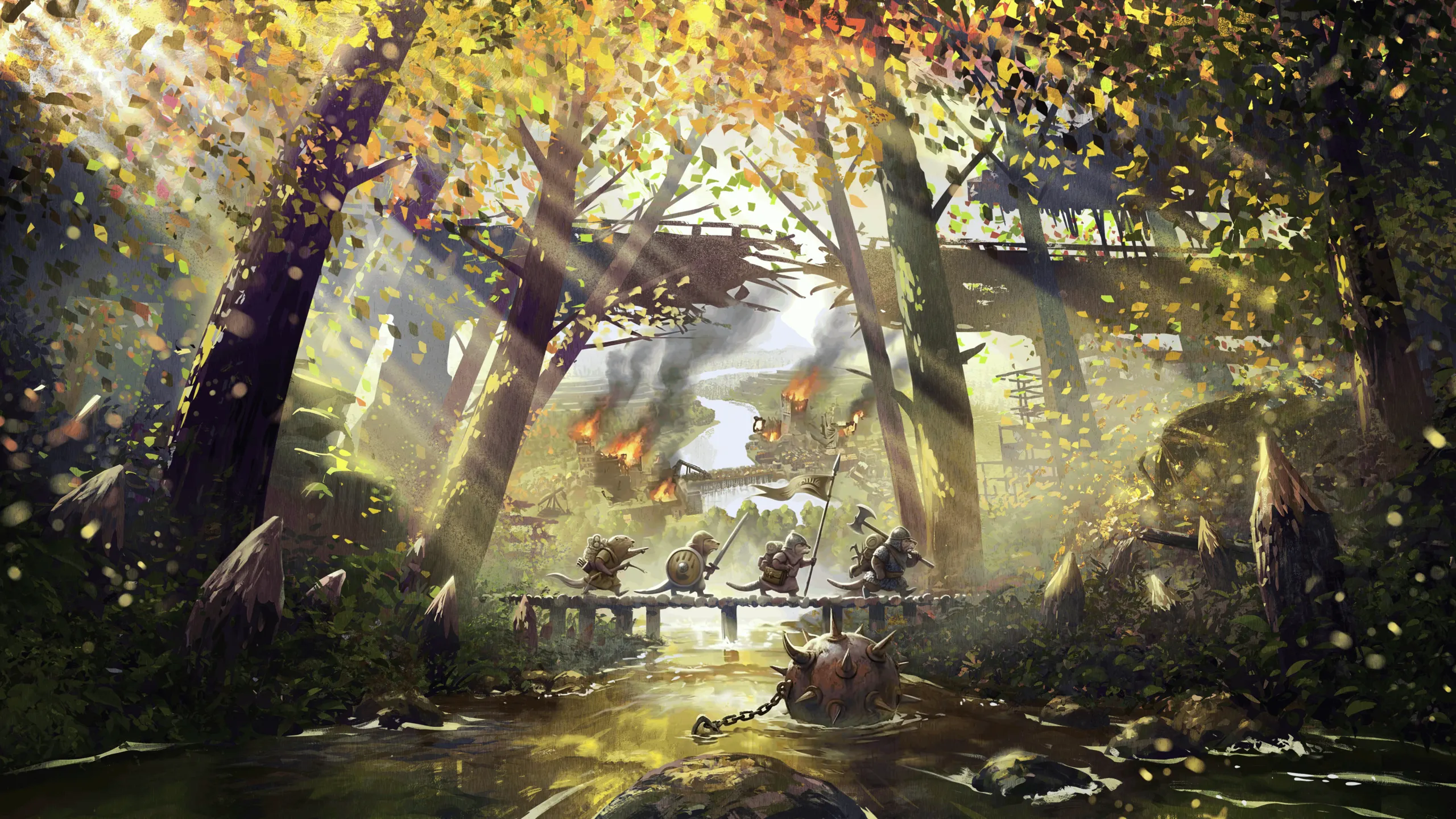

Players can ally in PvP and Horde games (not in a Horde shared colony). Alliances are between two players at a time: you can be allied with two players who are still enemies of each other. In PvE everyone is already allied, and Co-op has no sides.
The Alliances tab
The settlement panel has an Alliances tab. It lists every other player and where you stand with them:
| They’re | You can |
|---|---|
| Not allied | Propose alliance |
| Proposing an alliance to you | Accept or Decline |
| Waiting for your proposal’s answer | Withdraw it |
| Allied | Break alliance |
| Allied, but it’s ending | Nothing: it ends when its time is up |
Below, All alliances lists every alliance in the game, other players’ too, and how long any broken one has left.
Breaking an alliance
Either ally can break it. It ends 12 in-game hours later, and you stay allies until then. The other player is told right away.
What allies share
- No fighting. Allies’ troops, siege machines, hoardings, sappers and rams leave each other alone, and monks don’t convert an ally’s troops.
- Vision. Allies see what each other’s land, buildings, troops and paths see through the fog.
- Gates and ladders. A gatehouse doesn’t shut for an ally, and allies’ troops climb each other’s field ladders.
- Healing and supply. Herbalists and field infirmaries heal allied troops, and troops eat, drink and take spare gear from an ally’s supply carts. Ammunition and building materials stay each player’s own.
- Land. Allies can build on each other’s claimed land.
- Victory. Allies win together (see Victory).
What stays each player’s own: districts, buildings and troops (an ally can’t command or change them), science, and everything border protection covers.
Water mines and fireships hit whatever they meet, allies’ included.